5 Easy Steps to Get Started Packaging Your Product

April 14, 2009 · Print This Article

Using a CopackerFeeling overwhelmed while trying to develop a package for your product? I’m not surprised. Packaging is the third largest industry in the country. In fact, there are more than 10,000 packaging manufactures in the US alone. The proliferation of material choices and vendors is extensive. To begin you will have to narrow the resource and material universe before you package anything.  That is your first step because you can’t have a product without a package.

Which vendor is right for you? What is your packaging material of choice? Do you understand the differences between each material and what value each will bring to marketing your product? How do you sift through the mounds of information and resources to set started packaging your product?

Here are 5 easy rules to get you started.

1. Do Your Homework

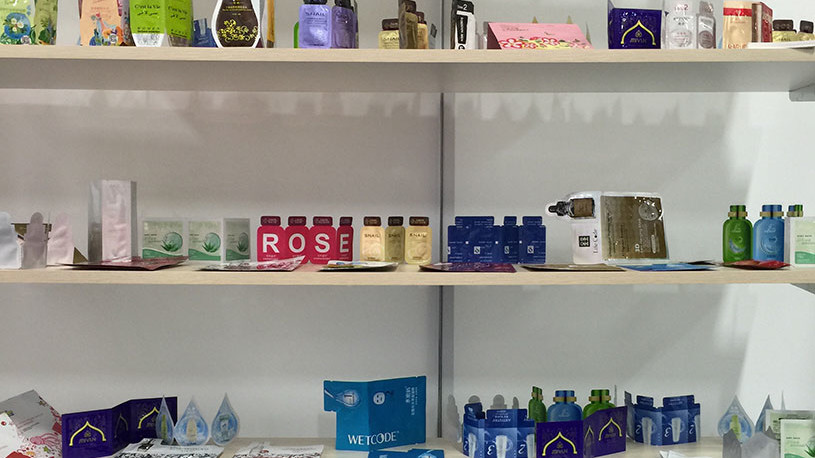
Before you decide how you want to package your product you need to see and understand what is already available in the marketplace. Even if your product is the greatest new invention out there, you will still have competition of some sort. Start by checking that out first. Visit outlets that carry similar products or products in the same category. For example, if you have a houseware product you should check out places that market housewares. Don’t just pick one outlet. Go to a variety of stores. You don’t want to develop a great new packaging concept only to find someone else is already doing the same thing. The more you look the better informed you will become. Be careful not to go into information overload by visiting every retailer outlet out there. This will only serve to confuse your decision making process.

2. Pick Your Packaging Material

This isn’t as simple as it sounds because there are many external factors influencing why products are packaged in certain types of materials. Certain products lend themselves special merchandising. Some products can only be merchandised in certain materials. How the product is merchandised may dictate what type of package material you use. For example, if you need clarity to see the entire product then you are probably going to want plastic. The choice of material may also be dictated by availability.

Packaging materials are classified by their primary raw material. Two simple examples are paper and plastic. Within in each material type are numerous sub categories of different types of packaging. If you chose paper packaging it might be a box, a bag, a drum, a tube, a canister and so on. See the variety of choices? It’s easy to become inundated with options and hard to figure out what is the best choice. As products lend themselves to several different packaging materials, it’s best to start with what you know is working with similar products. Even if you choose the same material as a competitive product the package doesn’t necessarily need to look the same.

3. Optimize Your Package Profile

This is what is called the retail footprint, i.e., how much space will your product take up on the shelf. Your goal is to have the smallest size or amount of packaging you can while optimizing the shape and design of the package. It’s important to understand the concept of the retail footprint. Retail space is at a premium so the smaller amount of space you use the happier the retailer will be. They may even specify that your product only be allowed so much shelf space. In any case, you need to understand the concept and incorporate that in your sales pitch to retailers.

Many times you can package your product in variety of different ways. This is where creativity comes into play. Your product doesn’t just have to sit on a shelf in a box. It could sit upright; it could hang or be displayed in a floor stand or similar merchandiser. There are many unique ways to merchandise any product. You just have to think outside of traditional ways of doing things. Look at other products from different industries. See if you can’t incorporate design ideas into your own product packaging.

4. Be Prepared To Take Advice

I know you are in love with your product and you are sure you have ALL the answers, but you can’t be an expert at everything. Listen to what other people have to say about your product packaging. Don’t get so caught up in your own ideas that you make design mistakes or mistakes in merchandising. Get a reality check from someone who knows nothing about your product. See if your packaging concept is compelling to an outsider. By that I mean that they are interested enough to pick your product up off the shelf.

There are many resources available to you at little or no cost. Many vendors provide design expertise as part of the order. There is an unlimited amount of resource materials that can give you basic information that can save you many hours and costly mistakes. Be sure and spend time checking them out.

5. Think Big, But Be Prepared To Compromise

I know your product is fantastic, but you may need to start out on a smaller scale than you envision.  One of the largest obstacles might be finding a vendor. In general, custom packaging is relegated to large volume orders and you are probably not there yet. But don’t despair.

Look for stock items that can be customized. The stock container market has improved dramatically with innovation and new designs. In fact there are many companies now that provide only stock containers. You can customize stock on a smaller scale.  With a simple label change, your package may there. Also ordering in a limited quantity allows you to change and modify your packaging as your sales increase. You don’t want to have 10,000 old packages on hand when you have a design change or need to change what’s on the package due to some regulatory issue.

The important fact is to understand that packaging is not static it evolves and changes with consumer needs and demands. It can even change because you have more business and can order in larger quantities. What worked in the past may not work tomorrow. You need to be innovative and creative in your thinking. Look for guidance and expertise in outside resources. Keep up with packaging changes and materials. Don’t get caught ordering too much stock that you can never use. Think big and start small.

About the Author:

JoAnn Hines is the Chief Executive Officer at J.R. Hines International, a firm providing consulting services in the packaging industry. For over 30 years, Ms. Hines has been engaged in packaging trends, forecasting, ideation/brainstorming and implementing innovative new packaging technologies.

Need insights on packaging trends that can impact your business? Get the Packaging Diva on your team. Visit PackagingUniversity.com to find out about the latest packaging innovations.

1 Star2 Stars3 Stars4 Stars5 Stars (8 votes, average: 4.25 out of 5)
Loading ... Loading ...

Related Packaging Articles

  • No related posts

Comments

One Response to “5 Easy Steps to Get Started Packaging Your Product”

  1. Donna Maria @ Indie Business

    April 22nd, 2009 2:48 pm

    This is a great post! Big companies have the resources to do all of these things (though that does not mean they do them well), but entrepreneurs often shoot themselves in the foot when it comes to packaging because, by the time they think about the importance of packaging, they have to go back and re-think the entire brand and the line so they can make wise packaging decisions.

    I hope lots of small business owners and would be entrepreneurs take the advice in this article, especially your first point. People can prevent tons of headaches simply by investing the time in advance to research their market options. The Internet makes it easy, but so many look for quick and easy money that they don’t do their homework in advance. They start strong and then fizzle out because they haven’t researched anything. Then they blame business failure on a bad economy, too much competition or something else.

    With advance research so easy and free, here’s no longer any excuse to launch a business or a package that is not unique and ready to go on Day 1.

    I look forward to hearing what you and others have to say on this important topic.

    Thanks for a great article!

Got something to say?